
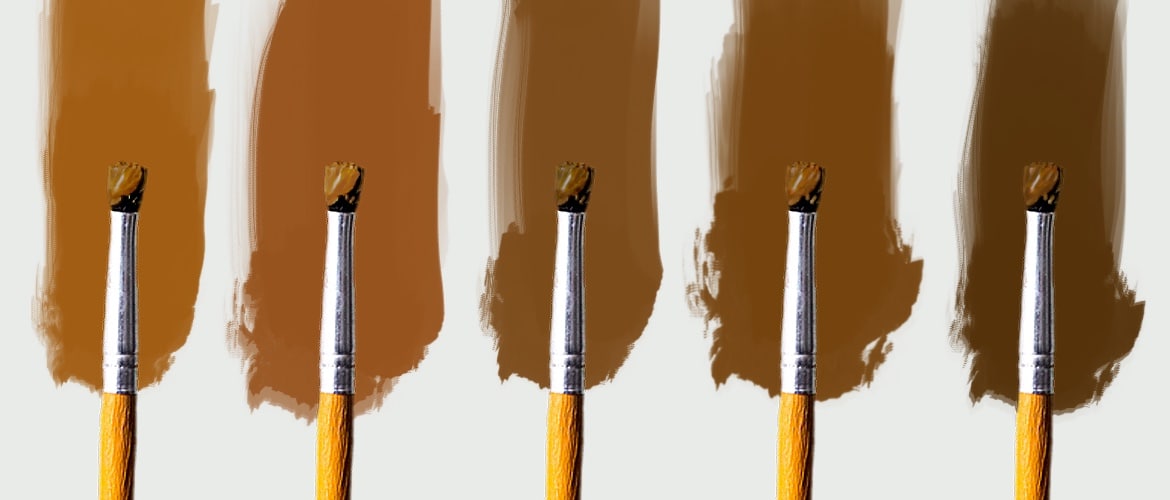
Brown is actually a dark orange — and once you know that, mixing it becomes logical instead of guesswork.
The fastest answer: mix orange + blue, red + green, or yellow + purple to get brown. Add more of one color to shift the shade warmer or cooler. Use white to lighten, black or dark blue to deepen.
Below you’ll find a quick-reference table, named shade recipes (chocolate, caramel, tan, and more), 7 mixing methods, and an FAQ covering the most common questions.
Why Brown Is Just a Dark Orange (And Why That Matters)
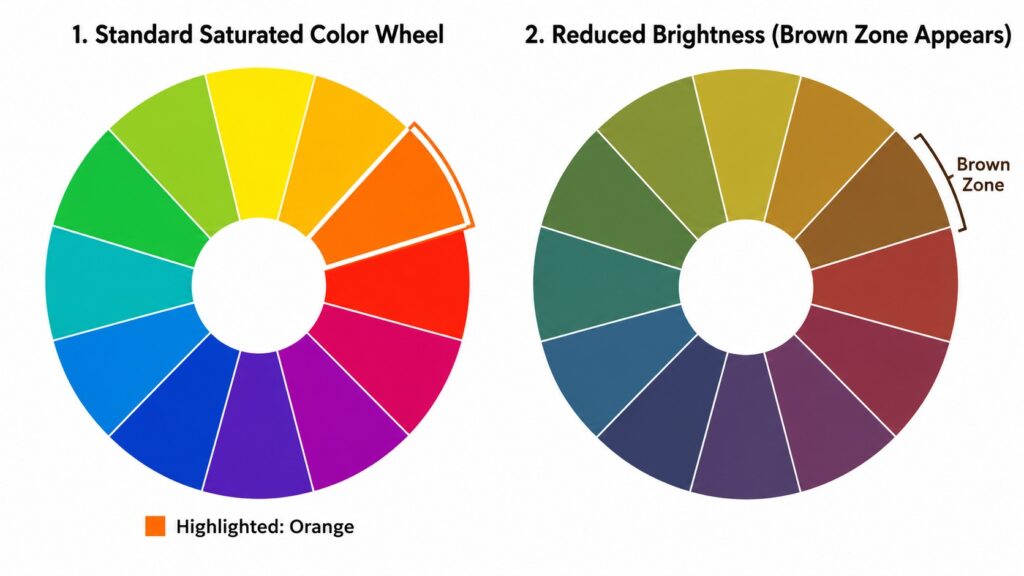
Here’s the insight that makes every brown-mixing formula click: brown doesn’t have its own spot on the color wheel — it’s simply a darkened, low-saturation orange.
If you take a standard color wheel and reduce the brightness of the orange segment, what appears is brown. Burnt sienna, raw umber, chocolate — they’re all orange with the brightness turned down.
Why does this matter practically?
- It tells you which colors create brown: anything that mixes to orange, then gets darkened, will produce brown.
- It explains why orange + blue (complementary colors) is the most reliable recipe — you’re darkening orange with its opposite.
- It means you can shift a brown’s hue by adjusting how much red vs. yellow is in your orange base before darkening.
- It tells you what not to do: you can’t get a true brown by starting with blue, green, or purple — you’ll drift toward gray or olive instead.
The formula in one sentence: Start with orange (red + yellow), then neutralize and darken it with blue or black.
Quick Reference: What Two Colors Make Brown?
Use this table to find a brown mix fast. Each recipe uses a base + modifier approach — adjust ratios to shift the shade warmer, cooler, lighter, or darker.
| Base Color | + Modifier | Result | Notes |
|---|---|---|---|
| Orange | Blue | Medium brown | The most reliable recipe; ratio ~4:1 orange to blue |
| Red + Yellow | Blue | Earthy brown | Classic 3-primary mix; equal red/yellow, less blue |
| Red | Green | Reddish brown | Warm, terra-cotta leaning |
| Yellow | Purple | Muted tan-brown | Works due to pigment bias; use warm yellow |
| Orange | Black | Dark brown | Fast route to deep brown; black can dull the mix |
| Burnt Sienna | Ultramarine Blue | Rich dark brown | Best artist shortcut; highly controllable |
| Any brown | White | Lighter shade (tan/beige) | Add small amounts to preserve warmth |
| Any brown | More blue | Cooler, shadowed brown | Good for cast shadows and aged wood |
Pro tip: Always test on scrap paper before committing to your canvas. The ratios above are starting points — your specific pigment brands will behave slightly differently.
Essential Materials Checklist
Traditional Painting Essentials
- Core Pigments (Artist‑Grade Tubes or Pans)
- Warm Browns: Burnt Sienna, Burnt Umber, Raw Umber
- Cooling Agents: Ultramarine Blue, Phthalo Green
- Warm Shifts & Highlights: Raw Sienna, Yellow Ochre, Cadmium Red Light
- Neutral Control: Titanium White, Payne’s Gray or Ivory Black
- Mixing & Application Tools
- Palette: Sealed wood or porcelain for accurate color read‑back (avoid stained plastic)
- Palette Knife: Offset metal knife for clean mixing and easy mud removal
- Brush Set: Round #6, Flat ½”, Rigger (grains), Mop (glazing), Stiff Bristle (scumbling)
- Surfaces & Mediums
- Paper: 140 lb (300 gsm) cold‑press watercolor or toned multimedia paper
- Canvas/Panel: Gesso‑primed cotton or birch panel for acrylic/oil layers
- Additives: Gloss or matte medium (acrylic), refined linseed/odorless mineral spirits (oil), gum arabic (watercolor glazing)
Digital Toolkit
- Hardware – Pressure‑sensitive tablet (iPad + Apple Pencil, Wacom, or XP‑Pen), calibrated display for true browns
- Software – Procreate, Photoshop, Krita, or Clip Studio Paint with full HSL/HEX control
- Essential Brushes
- Flat Glaze Brush (low flow, soft edge)
- Dry Texture Brush (canvas / grain stamp)
- Soft Airbrush (subtle temperature shifts)
- Fine Liner (wood grain, hair strands)
- Color Management – Built‑in picker plus free eyedropper plugins (e.g., Coolorus for PS) to sample reference browns quickly
- File Hygiene – Work in 16‑bit RGB for smoother gradients; save layered PSD/PRO files before flattening
Quick Prep Tip: Lay out all pigments/brush presets in advance and pre‑label your palette wells or digital swatches (warm, cool, neutral). This small step speeds up mixing and helps avoid accidental mud.
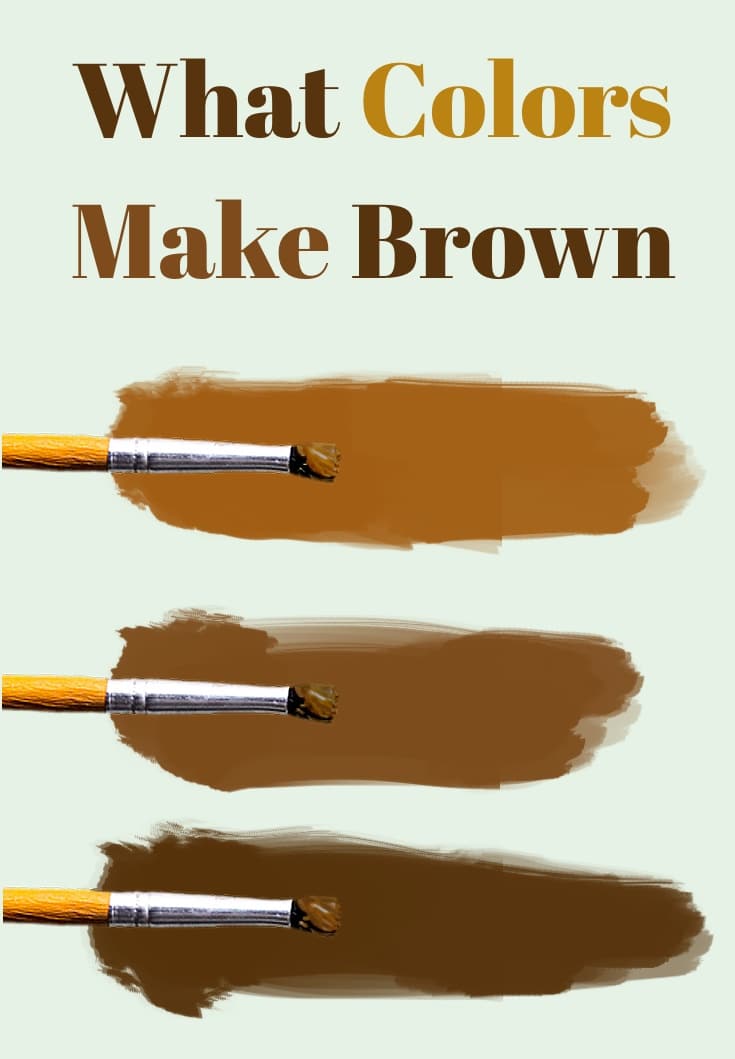
Three Types of Colors That Make Brown
Now, let’s get into how to make brown. There are three main types of colors that can make a brown color.
Primary colors, secondary colors, and complementary colors.
We can figure out how to make brown color by mixing a few colors of the color wheel that range from red to yellow.
You will know how to make brown paint from doing the following simple trick.
A simple trick is to add two primary colors such as red and green or a primary color (blue) with a secondary color (orange).
In addition, to determine the intensity of the colors, complementary colors are used that cancel each other’s effect and increase or decrease the brightness and intensity of one another.
In fact, mixing a variety of color combinations to get brown is quite easy but getting an exact shade of brown takes a little more effort and perfection.
Here, in this blog, we will help you with what colors make brown and with how to make brown paint.
We will show you how you can make different shades of brown such as dark brown, light brown, warm brown, cool brown, greenish or reddish-brown when considering how do you make brown.
Moreover, you will also come to know how primary colors are added with secondary colors and how you can mix paints to create a basic tone of brown.
Are you ready to produce any hue you desire? Do not go anywhere and follow along to learn the secrets of how to make the color brown including all the beautiful shades of brown!
Read Also:
- 85 Easy Acrylic Painting Ideas on Canvas for Beginners
- 18 Awesome Acrylic Painting Techniques on Canvas
What two colors make brown?
Are you working with limited art supplies? Then you might want to know what 2 colors make brown.
Do you have a few colors and now you want to make brown by using those limited colors?
So, how to make brown? It is possible to make brown from only two colors.
But for this, you need to understand the basics of color theory so you can mix colors to get the desired color palette for what colours make brown.
Primary colors such as red, blue, and yellow are used to create other colors on the color wheel.
When considering how to make brown color, you’ll have to go further.
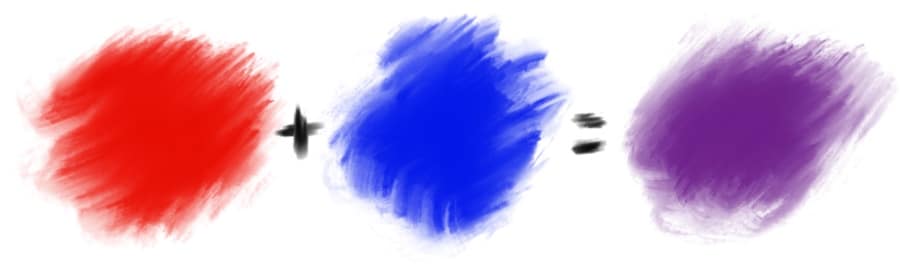
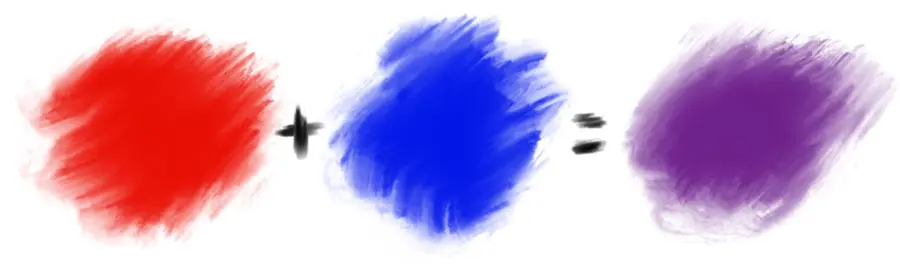
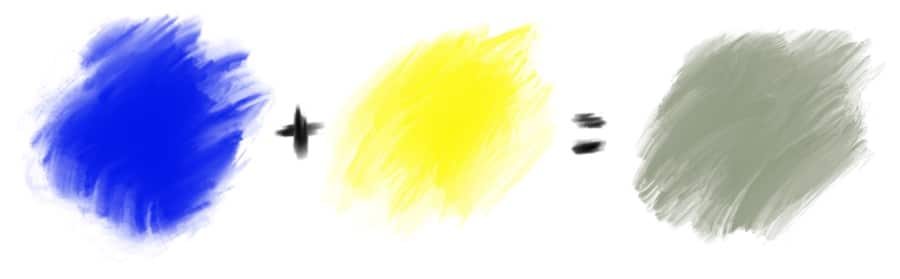
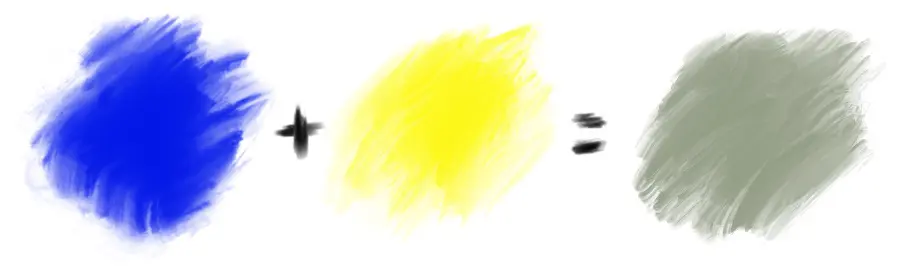
Here’s a visual list to know what two colors make up brown:
- red and blue are combined to make purple
- blue and yellow are combined to make green
- yellow and red are combined to make orange
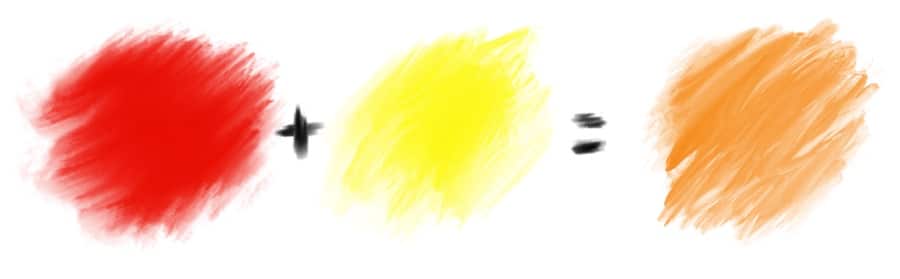
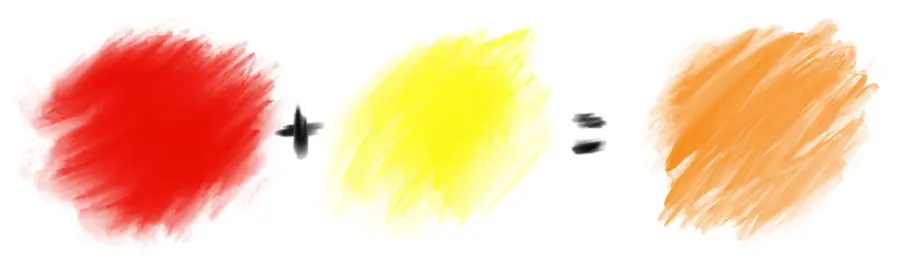
So, purple, green, and orange become secondary colors but don’t answer the question of what 2 colors make brown..
To make brown from two colors, you need to mix one secondary color with its complementary primary color.
It means you need to mix purple with yellow, green with red, and orange with blue.
Let’s get a closer look at this formula for how to make the color brown::
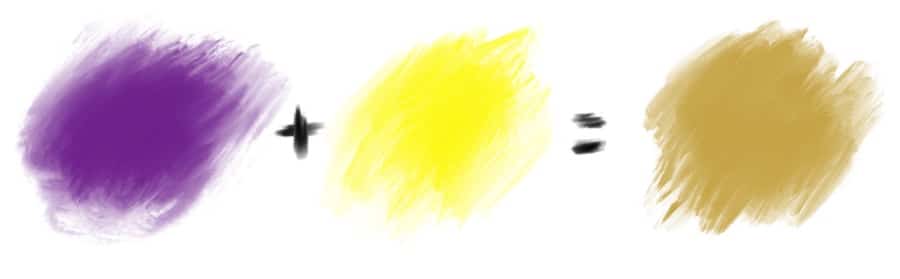
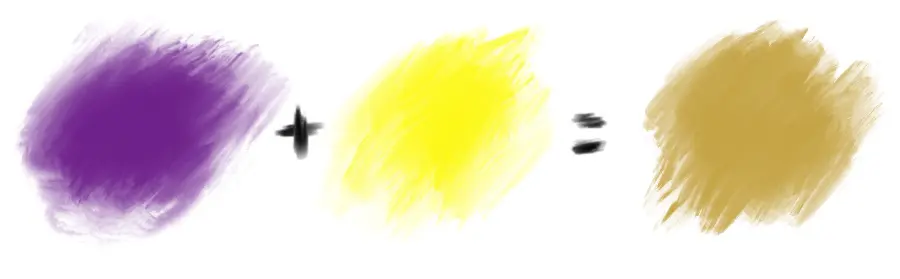
Purple + Yellow = Brown
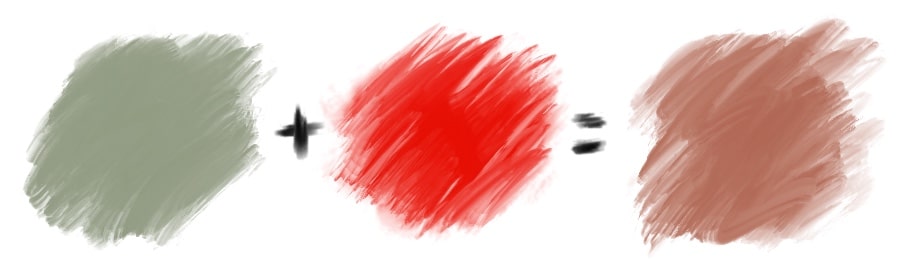
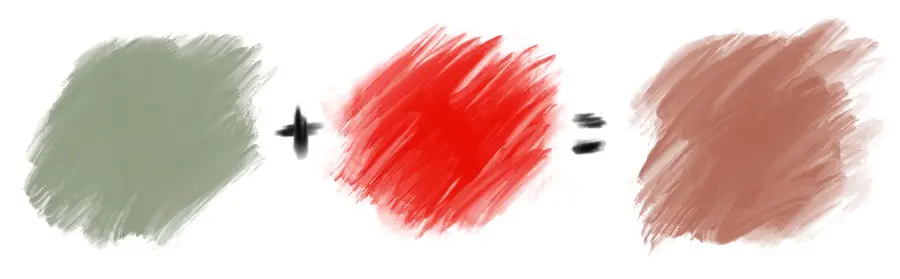
Green + Red = Brown
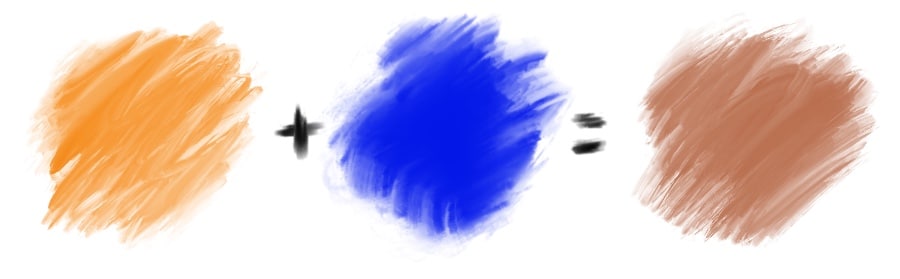
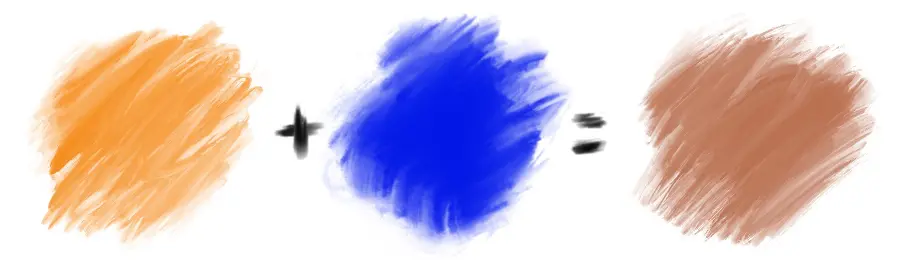
Orange + Blue = Brown
If you want a lighter shade of brown, take an opaque white color with you and make necessary adjustments.
What colors make dark brown?
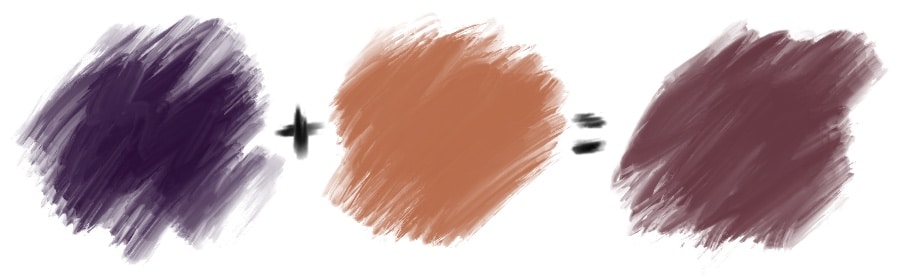
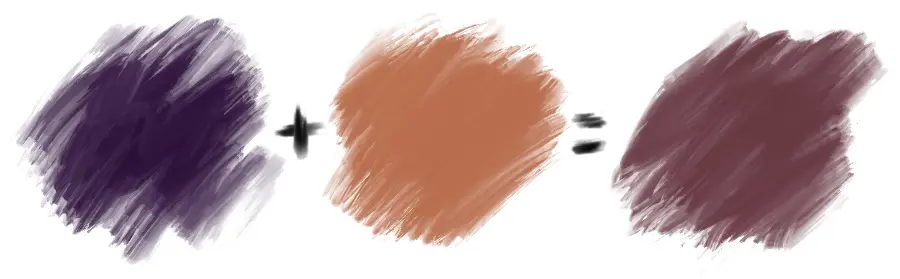
We’re now moving on to how to make dark brown paint. To know what colors make dark brown, it is important to add those colors that are darker than the primary colors.
For example, you can add black or purple color to create a dark effect, the same as the color of chocolate.
If you are using red, yellow, and blue, you can add more red and blue colors than yellow.
For a darker tone of what colors make dark brown, you can mix red with ultramarine blue or black color.
This will create the same effect that you get from mixing red and black.
The tones for red may vary when considering how to make dark brown paint. A bright shade of red usually works better.
For example, you can use cadmium red, pyrrole red, or naphthol red.
All these options will give a smooth darker shade of how to make dark brown paint!
According to expert artists, if you are adding black or purple to get dark brown, you need to understand the difference between the results obtained by adding both colors and what colors make dark brown.
For example, adding black color gives a smoother look and feel and can make the mixture look brighter as compared to adding purple.
Pro Tip:
If you want to draw a tree bark, a brick, a tree in sunlight or paint a gleam in antique wood, these primary colors will be used to get a reddish-brown and a blackish-brown shade with more or less of using white.
What colors make light brown?
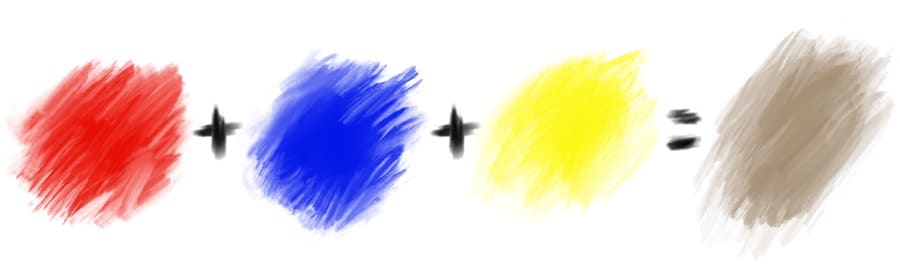
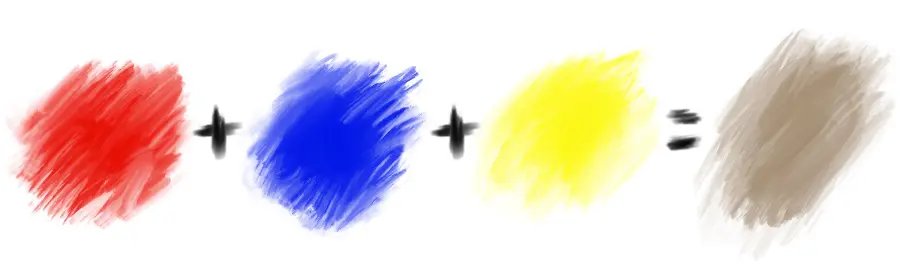
What colors make brown? How about what colors make light brown?
Brown is said to be the easiest paint to mix but it is quite complex when it comes to perfecting the shade. It is somehow easier to get a light brown shade whether you are using watercolors, acrylic paints, pastel colors, or oils.
So, how to make light brown? Things you will need:
- A color palette having primary colors of red, blue and yellow
- A tube of white paint
- A palette and palette knife
Let’s look at how to make light brown step-by-step. The first step in making a light brown shade is to add a small amount of red paint to the palette.
After that, add blue and yellow paint but make sure that these three paints are in equal amounts.
Mix all the colors well with a palette knife or brush until you get a rich brown color for how to mix brown.
Now, this is the time to give it a light shade using a few drops of white paint. This is the secret to what colors make light brown.
Continue adding the white paint until you get the desired tone.
It is always recommended to add white to the mixture in a little amount until the brown color is light enough for how to make light brown.
Plus, you can get different results each time as it all depends on the shade of the paint and the consistency of pigments.
What colors make brown paint?
Now, let’s turn to something more straightforward – what color makes brown itself?
If you want to paint your room in brown color and want to know what colors make brown paint but you have noticed that brown color is not available in your color palette, it is time to mix some colors and get brown paint for how to make brown colour.
There are a few colors that may help you know how to make brown paint.
These include primary colors, secondary colors, and tertiary colors.
So, what color makes brown?
First of all, you need to get a color wheel that includes all these three types of colors.
From a color wheel, what colours make brown is when you mix the yellow color with blue to get green and then mix green with red to get a brown color.
Want to make a chocolate brown shade? Mix blue color with orange.
Add the appropriate amount of both colors to get the desired shade of chocolate brown.
If you do not have orange paint, do not be panic as you can get it by mixing red and yellow!
Another way for how do you make brown paint and making paints darker is by adding red or orange color with black paint.
What about what color makes brown darker or lighter?
You can add more quantity of black to get a dark brown paint.
On the contrary, for the lighter tone, add white.
And that’s how to mix brown.
What colors make sand brown?
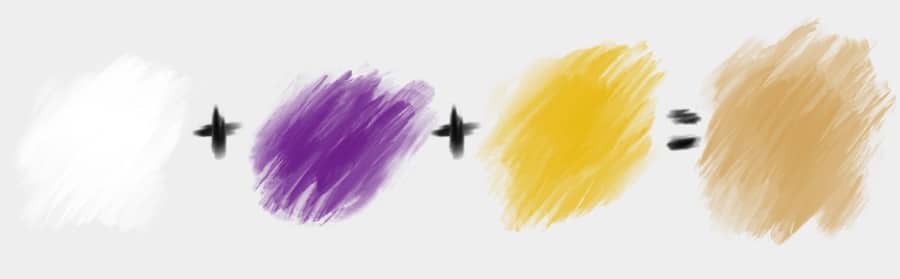
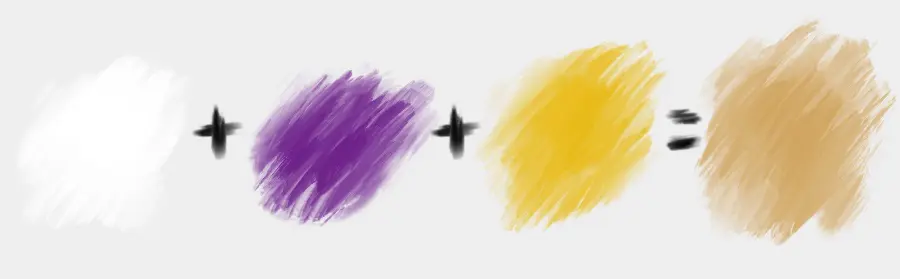
The most challenging part of making paintings is to mix colors. So, what colors make sand brown?
To get the shade you want for your artwork, you need to mix colors and see what alterations are required. In the case of a brown color, usually, it is not available in the color palette.
At times, when you want to draw landscapes, deserts, or skin color, you need to have a brown color. You probably have a set of “go-to” colors.
Let’s look at what colors make sand brown. To get a sand brown shade, the mixing of colors becomes crucial.
Now the question is what colors make brown?
Below, we will discover how you can mix colors to get sand brown.
For painting wet sand (that is closer to the water), the dark value of brown is required. It’s a little different than when thinking what colors make sand brown.
For this, you need to have three main colors with you.
These include white, purple, and warm yellow. (Yellow is a primary color so it is readily available while you can get purple by mixing blue and red).
You can take Naples Yellow in this case as it is close to the color of desert sand.
A small amount of paint goes a long way so be careful while mixing the paints for what colors make brown paint.
With a bit of experimenting and playing with colors, you will be able to get a sand brown color.
To show dry sand, add a little amount of white color. Simple!
Named Shade Recipes with Specific Ratios
Once you can mix a basic brown, the real skill is dialing in a specific shade. Here are seven named browns — each with a formula, ratio guide, and what it’s best used for.
Chocolate Brown
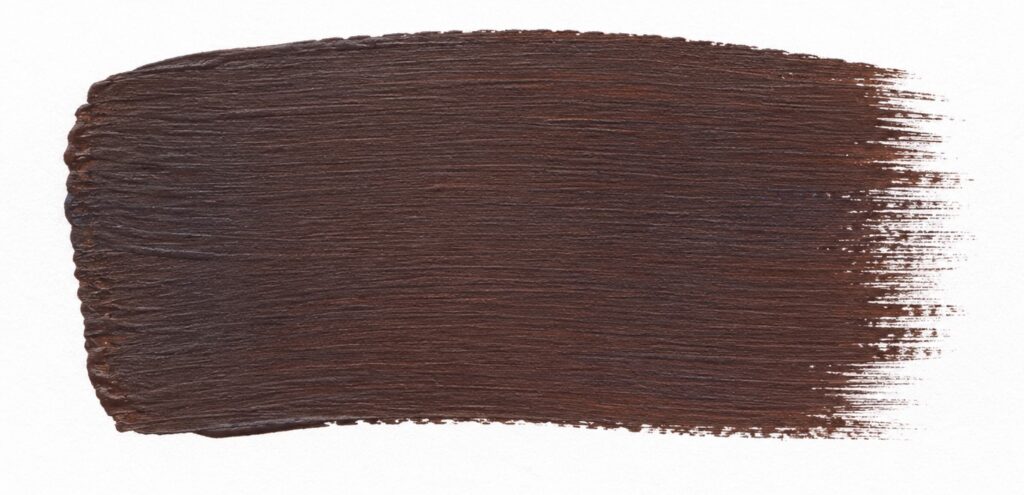
Formula: Burnt Sienna + Ultramarine Blue (+ tiny touch of black)
Ratio: ~3 parts Burnt Sienna : 1 part Ultramarine Blue : trace black
How: Mix Burnt Sienna and Ultramarine Blue first to get a rich dark brown. If it looks too warm/reddish, add a hair more blue. A trace of black deepens without dulling.
Best for: Dark wood, melted chocolate, rich hair tones, tree trunks in shadow.
Caramel Brown
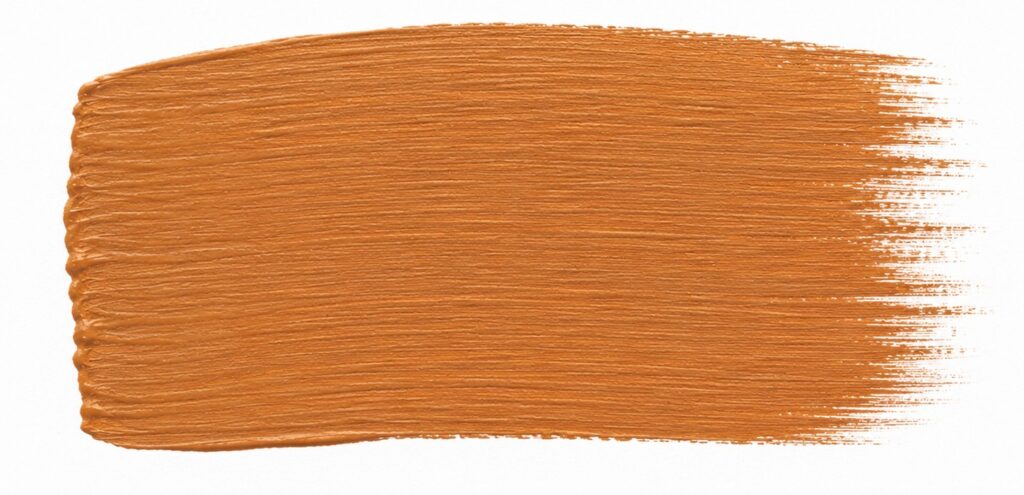
Formula: Yellow Ochre + Cadmium Red Light + tiny touch of Burnt Sienna
Ratio: ~4 parts Yellow Ochre : 1 part Cadmium Red : ½ part Burnt Sienna
How: Start with Yellow Ochre as your base, nudge it warmer and more orange with Cadmium Red, then ground it with a small amount of Burnt Sienna to pull it away from pure orange.
Best for: Warm leather, golden autumn leaves, caramel-toned skin highlights, honey.
Tan / Sandy Brown
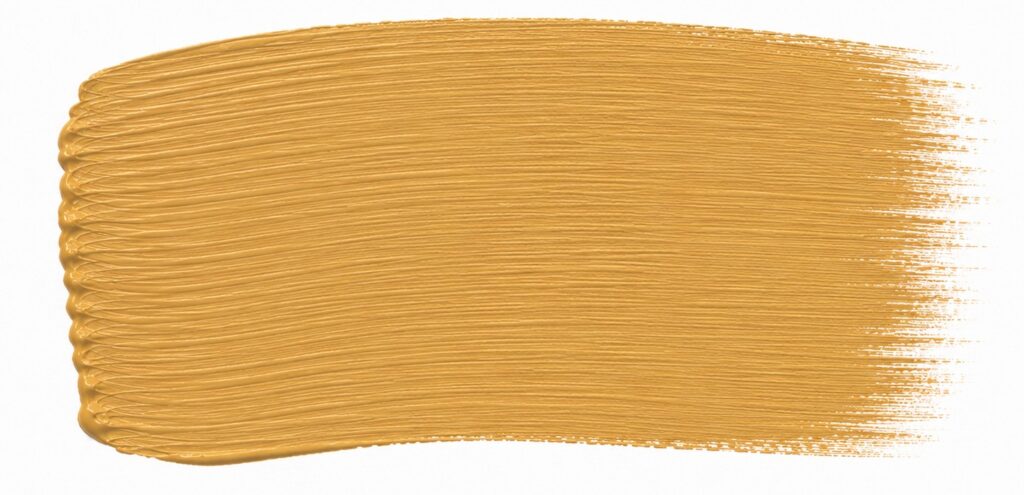
Formula: Yellow Ochre + Titanium White + trace Burnt Sienna
Ratio: ~3 parts Yellow Ochre : 2 parts White : ¼ part Burnt Sienna
How: White brings Yellow Ochre down in value; the trace Burnt Sienna prevents it from going too yellow-green. Add water (watercolor) or extra medium (acrylic/oil) for lighter washes.
Best for: Sand, parchment, linen fabric, pale skin mid-tones, dry grass.
Beige
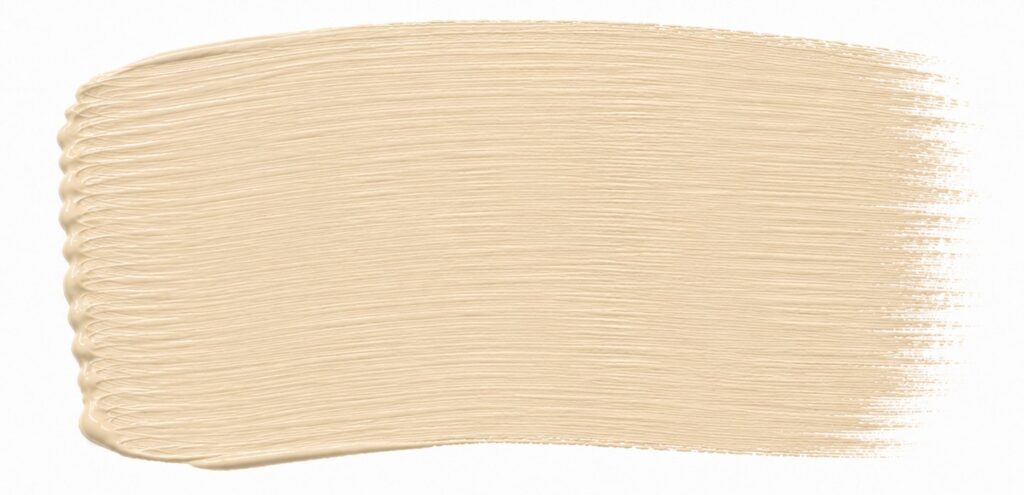
Formula: Titanium White + Raw Sienna + trace Yellow Ochre
Ratio: ~5 parts White : 1 part Raw Sienna : ¼ part Yellow Ochre
How: Start with White, add Raw Sienna in tiny increments — it’s surprisingly strong. The Yellow Ochre prevents the mix from going too pink or gray.
Best for: Walls, backgrounds, fabric, aged paper, light skin base tones.
Coffee Brown
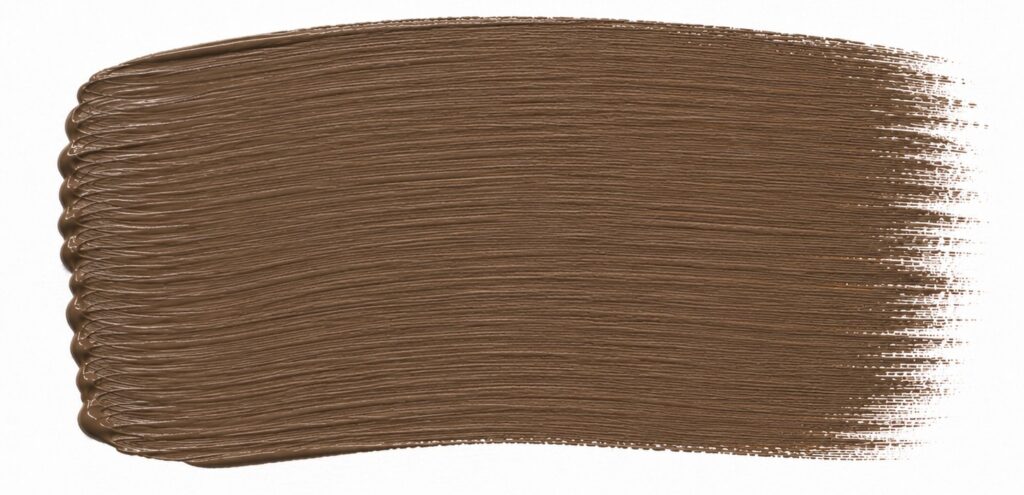
Formula: Burnt Umber + Raw Sienna (+ optional touch of Payne’s Gray)
Ratio: ~2 parts Burnt Umber : 1 part Raw Sienna : optional trace Payne’s Gray
How: Burnt Umber is already a cool, dark brown — Raw Sienna warms and lightens it toward a coffee tone. Payne’s Gray (if used) adds subtle blue-gray depth without the flatness of black.
Best for: Coffee, dark soil, aged wood, fur and animal coats, dark leather.
Rust Brown
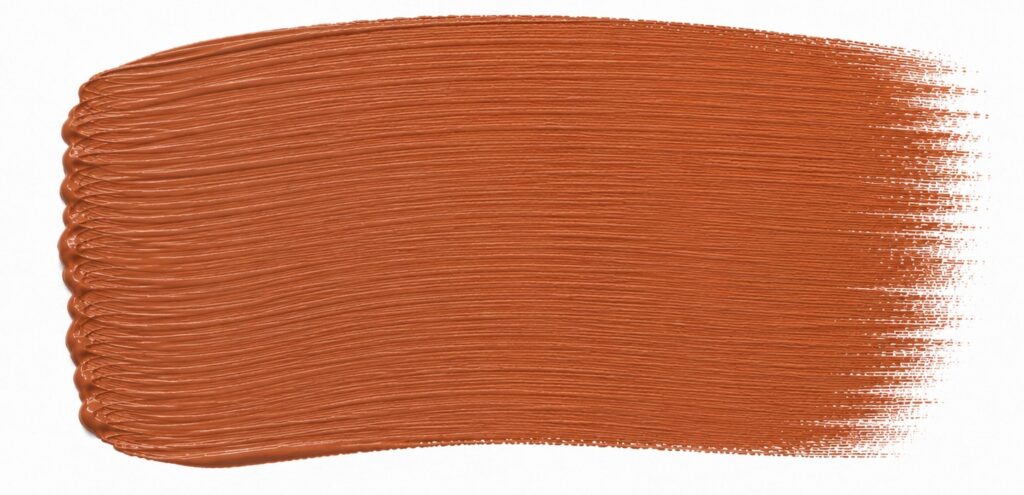
Formula: Cadmium Red + Yellow Ochre + Burnt Sienna
Ratio: ~2 parts Cadmium Red : 1 part Yellow Ochre : 1 part Burnt Sienna
How: The Red pushes this mix strongly toward orange-red; Yellow Ochre grounds it; Burnt Sienna shifts it away from pure orange into that oxidized, gritty rust tone. Can add a hair of Ultramarine Blue to cool and deepen.
Best for: Rusted metal, brick, autumn leaves, warm shadow on skin, terracotta pots.
Walnut Brown
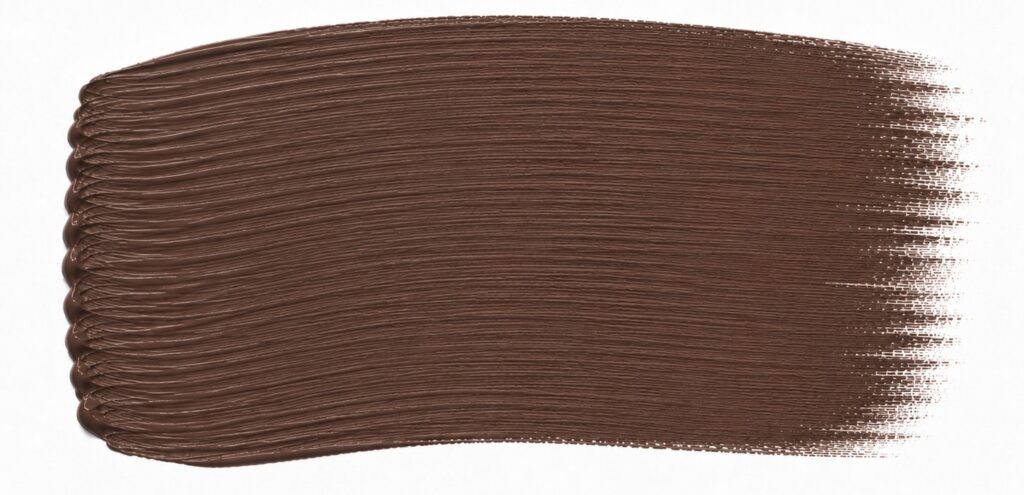
Formula: Burnt Umber + Ultramarine Blue + trace Alizarin Crimson
Ratio: ~3 parts Burnt Umber : 1 part Ultramarine Blue : trace Alizarin Crimson
How: This is a dark, sophisticated cool brown. Burnt Umber is your base; Ultramarine Blue cools and darkens; the trace of Alizarin Crimson adds a barely-there warmth that prevents it from going gray. Add Titanium White in small amounts for lighter walnut mid-tones.
Best for: Dark wood grain, deep shadows, walnut or mahogany furniture, dark hair, animal fur in shadow.
Mixing Brown for Skin Tones and Hair Color
Skin Tone Browns
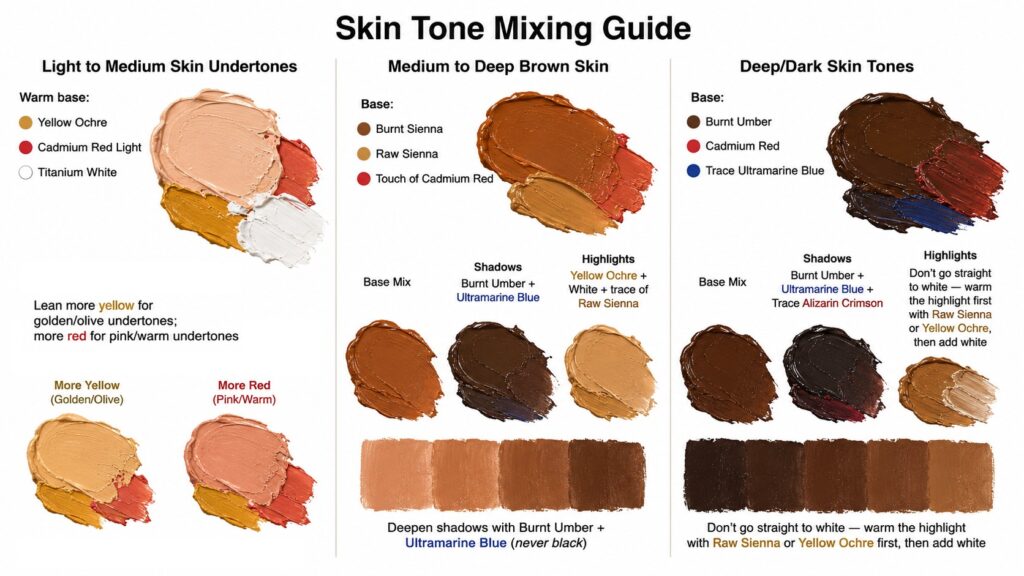
Skin browns aren’t mixed the way you’d mix a tree or a table. The key principle: start warm, cool the shadows, lighten the highlights — and never use black.
Black flattens skin tones and creates a gray, lifeless result. Instead:
Light to Medium Skin Undertones
- Warm base: Yellow Ochre + Cadmium Red Light + Titanium White
- Lean more yellow for golden/olive undertones; more red for pink/warm undertones
- Mix ratio starting point: ~3 parts White : 1 part Yellow Ochre : ½ part Cadmium Red
Medium to Deep Brown Skin
- Base: Burnt Sienna + Raw Sienna + touch of Cadmium Red
- Deepen shadows with Burnt Umber + Ultramarine Blue (never black)
- Warm highlights with Yellow Ochre + white + trace of Raw Sienna
Deep/Dark Skin Tones
- Base: Burnt Umber + Cadmium Red + trace Ultramarine Blue
- Shadows: Burnt Umber + Ultramarine Blue + trace Alizarin Crimson
- Highlights: Don’t go straight to white — warm the highlight with Raw Sienna or Yellow Ochre first, then add white
Key rule for all skin tones: Shadows go cooler and darker. Highlights go warmer and lighter. The transition between the two is where most artists lose realism.
Hair Color Browns
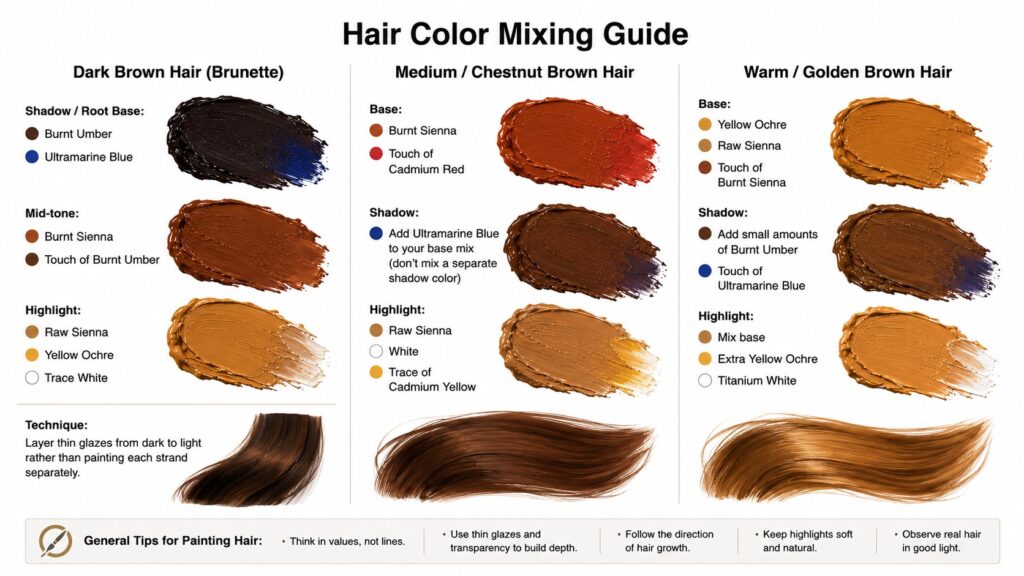
Hair browns have sheen, variation, and reflect ambient light — they’re rarely a flat single color. Think of each strand as a value range from dark root to light highlight.
Dark Brown Hair (Brunette)
- Shadow/root base: Burnt Umber + Ultramarine Blue
- Mid-tone: Burnt Sienna + touch of Burnt Umber
- Highlight: Raw Sienna + Yellow Ochre + trace white
- Technique: Layer thin glazes from dark to light rather than painting each strand separately
Medium/Chestnut Brown Hair
- Base: Burnt Sienna + touch of Cadmium Red
- Shadow: Add Ultramarine Blue to your base mix (don’t mix a separate shadow color)
- Highlight: Raw Sienna + white + trace of Cadmium Yellow
Warm/Golden Brown Hair
- Base: Yellow Ochre + Raw Sienna + touch of Burnt Sienna
- Highlight: Mix base + extra Yellow Ochre + Titanium White
- Shadow: Add small amounts of Burnt Umber + touch of Ultramarine Blue
Tip: Paint hair in light layers — glaze darker values first (fully dry), then add lighter mid-tones, then final highlights last. This builds natural depth and the illusion of individual strands without painting each one.
How do you make Brown with acrylic paint?
For a beginner artist who does not know where and how to put the palette together, creating a perfect shade of brown with acrylic paint is a daunting task. That’s why we’re looking at how to mix brown paint.
It is the color mixing that can help you to get acquainted with how your paints will interact how to mix brown.
You will need to have the following basic essentials:
- Acrylic paints
- A palette
- A paintbrush
- Water
- Paper towels
- A palette knife or a brush
- A working surface (for testing the mixing of colors)
First of all, get your acrylic paint-mixing supplies including acrylic paints, a palette, paintbrush, or a palette knife.
If you are using a brush in how do you make brown to mix the paints, make sure you clean your paints using water and soap.
Whether you are using a brush or a palette knife, just make sure that you have not used a large quantity of paint as it may not only damage the brush but can also result in paint streaks in your final artwork.
How to set up your color palette
Set up your color palette by adding an equal quantity of red, yellow, and blue for how to make brown color.
For what colors make brown paint, mix the colors with a brush or a palette knife.
Using a palette knife is a better option as it gives a more uniform color.
Combine the paints in such a way that red, blue, and yellow colors lose their original hues and a muddy brown shade is achieved.
To add a more opaque touch, add a little amount of white paint.
By using acrylic paints, you can get a cool shade of brown and a darker shade.
To get a dark brown color, use dark blue colors such as ultramarine blue. This is also how to mix chocolate brown paint.
It will help you to paint scenes of twilight which are not only darker in shade but bright as well.
Most artists also use black color to get a muddy tone for what colours make brown.
For cool brown, if you have prepared your basic brown paint mixture, add a little blue paint in it.
How to make brown from primary colors?
Most artists get worried about what colors make brown if they have limited colors available for painting.
So, what two colors make brown among the primary colors?
A palette usually contains red, blue, and yellow colors so for getting a different color such as brown, you can use these primary colors.
At times, there is no need to use black for how to make brown colour.
The shade of brown that you get depends on the proportion of colors.
A simple and short answer for what colors make brown and to get brown color is by mixing the primary colors (colors that cannot be mixed from any other color).
Yes, it is right.
You can get a basic brown color by mixing all three primary colors including red, blue, and yellow. Therefore, what two colors make brown doesn’t work.
The ratio of colors along with the paint pigments – all play an important role in determining the neutral color these hues will make.
In fact, all shades of brown whether it is light brown, dark brown, sand brown, reddish-brown, or greenish-brown, can be achieved by mixing red, blue, and yellow colors in varied proportions.
Another way of making brown is to add a secondary color such as green or orange with a primary color.
Although secondary colors are made by mixing two primary colors, they are also very important to get the brown color.
For making brown, first, you need to add blue and yellow to get green. That’s what two colors make brown to start with, but more is needed.
And then green is mixed with red to create a ruddy brown color.
To create a lighter tone, add a little bit of green and add more red color to get a dark tone.
In general, for making brown color, the amount of red color should be only 5 or 10 percent of the total amount of green color.
An alternate way of making brown from primary colors
So, is there an alternative of how to mix brown paint?
An alternate way of making brown from primary colors is by mixing yellow and red first to get orange and then orange is mixed with blue to get brown.
By doing this, a chocolate brown color is created. So, that’s how to mix chocolate brown paint.
Similar to the case of adding green and red, the blue color should be 5 or 10 percent of the total amount of orange color.
To get dark shade, add more quantity of blue and for a lighter value, add more orange.
The best part? Brown color can be made by mixing all colors as a way how to mix brown paint!
It is true!
But the question that arises here is what colors make brown? How do you make brown?
The answer is simple: Take an equal quantity of dark blue and dark green.
After giving a proper mix to these two colors, add black color in it (quantity of black color is the same as that of blue and green).
Then, add yellow and red in equal proportion and get a beautiful and blended shade of brown.
Warm vs. Cool Browns
Brown can lean golden and cozy or drift toward muted, shadowy cools—temperature shifts that transform everything from skin tones to old wood.
What Makes a Brown “Warm”?
- Red‑biased tints (e.g., alizarin crimson, cadmium red light)
- Yellow‑biased tints (e.g., raw sienna, yellow ochre)
These additions push the mix toward terra‑cotta, caramel, and sunlit skin browns.
What Makes a Brown “Cool”?
- Blue accents (ultramarine, indigo, phthalo blue)
- Green accents (phthalo green, viridian)
Cooling shifts create walnut, driftwood, and dark‑chocolate hues perfect for shaded areas.
Temperature‑Tuning Formula
- Begin with a balanced primary mix (equal parts red + yellow + blue).
- Warm it up: add a tiny dab (≈ 5–10 %) of warm red or yellow.
- Cool it down: add a tiny dab (≈ 5 %) of blue or green.
- Test strokes on scrap; tweak until the temperature feels right.
Quick Swatch Exercise
| Swatch | Base Mix | + Warm Pigment | + Cool Pigment |
|---|---|---|---|
| 1 | Burnt umber + ultramarine | + cadmium red light | — |
| 2 | Burnt umber + ultramarine | — | + more ultramarine |
| 3 | Raw sienna + alizarin crimson | + extra raw sienna | + phthalo green |
Five minutes making these strips trains your eye to read subtle temperature shifts.
When to Use Each Temperature
- Warm browns: fresh wood grain, skin highlights, autumn leaves
- Cool browns: deep shadows, aged leather, distant tree trunks
Tip: Mix temperature variants side‑by‑side before committing. Direct comparison prevents accidental “mud” and keeps your palette lively.
Texture & Transparency Tips
Brown often needs depth—think bark ridges, worn leather grain, or wisps of hair. These effects rely less on the exact hue and more on layering (transparency) and surface variation (texture).
1. Glazing for Depth
Transparent layers let underlying colors glow through, creating richer browns than one thick coat.
- Mix a coffee‑wash consistency (≈ 90 % medium, 10 % pigment).
- Apply over a fully dry base.
- Repeat 2–4 times, letting each layer dry, until the color feels “deep.”
Pro tip: A warm glaze over a cool underlayer (or vice‑versa) adds subtle optical vibration.
2. Scumbling for Rough Surfaces
Drag a nearly dry brush (hog or stiff synthetic) loaded with a thicker, lighter brown across texture paper/canvas. High points catch paint; recesses stay darker, mimicking wood grain or soil.
3. Dry‑Brush Highlights
After your base is entirely dry, use a touch of titanium white + raw sienna on a flat brush. Wipe most paint off, then lightly skim edges and raised areas for worn‑leather shine or sun‑kissed bark.
4. Controlled Bloom (Watercolor)
On damp paper, drop a slightly darker brown into still‑wet lighter areas. Feathery blooms suggest fur, suede, or coffee crema. Manage edges by tilting the paper to steer pigment flow.
5. Additive Textures
- Salt: Sprinkle kosher salt into a wet brown wash for random bark or rust mottling.
- Plastic Wrap: Press crinkled wrap onto a wet layer; lift when nearly dry to reveal vein‑like patterns.
6. Digital Brush Settings
- Opacity Jitter: Mimics glazing—set pen pressure to control transparency.
- Texture Stamp Brushes: Choose brushes with grain maps labeled “canvas,” “wood,” “fabric” and layer at low flow (10–20 %).
- Layer Modes: Multiply for dark glazing; Overlay or Soft Light for warm tints without obscuring detail.
Quick Exercise: Paint a 2 × 2‑inch square of mid‑brown. Apply one glaze, one scumble, and one dry‑brush highlight in separate zones. Compare surface richness to solid brown—you’ll see why texture beats flat fill every time.
Digital Color Mixing (RGB / HEX Cheat Sheet)
Mastering a few go‑to HEX codes lets you jump between screen and paint with zero guesswork—and quickly nudge hue, value, or temperature in any digital app.
Core Browns You’ll Use 90 % of the Time
| Swatch | Name (Common) | HEX | RGB (0–255) | HSL (° / % / %) | Typical Use |
|---|---|---|---|---|---|
| Saddle Brown | #8B4513 | 139 / 69 / 19 | 25 / 76 / 31 | Rich wood, leather | |
| Sienna | #A0522D | 160 / 82 / 45 | 19 / 56 / 40 | Clay, terra‑cotta | |
| Chocolate | #D2691E | 210 / 105 / 30 | 25 / 75 / 47 | Dark desserts, soil | |
| Peru | #CD853F | 205 / 133 / 63 | 29 / 59 / 53 | Mid‑tone wood grain | |
| Raw Umber | #B5651D | 181 / 101 / 29 | 28 / 72 / 41 | Warm shadows | |
| Walnut | #6B4423 | 107 / 68 / 35 | 29 / 51 / 28 | Deep furniture tones | |
| Sandy Brown | #F4A460 | 244 / 164 / 96 | 28 / 87 / 67 | Desert sand, highlights | |
| Flesh Brown | #C19A6B | 193 / 154 / 107 | 30 / 43 / 59 | Light skin bases |
(Copy the HEX value straight into Procreate, Photoshop, Canva, Figma, etc.)
Quick Temperature Tweaks
| Goal | Slider Moves |
|---|---|
| Warm it up | + 2–4 ° Hue toward red/yellow; + 3–5 % Saturation |
| Cool it down | − 2–4 ° Hue toward blue/green; − 3 % Saturation |
| Darken without “mud” | − 10–15 % Lightness; keep Saturation intact |
| Lighten while staying rich | + 10 % Lightness; + 1–2 % Saturation |
Shortcut: In most apps, duplicating the layer and setting the duplicate to Multiply instantly deepens a brown; setting it to Overlay gently warms and enriches.
Sample Workflow (Procreate or Photoshop)
- Base Fill – Bucket‑fill with #A0522D (Sienna).
- Shadow Pass – New layer, Multiply, paint with #6B4423 (Walnut) at 30 % opacity.
- Highlight Glaze – New layer, Soft Light, airbrush #F4A460 (Sandy Brown) at 20 % opacity.
- Temperature Pop – On the same highlight layer, lightly airbrush #C19A6B for subtle warmth or #8B4513 for cooler depth.
Converting Paint Swatches to Screen
Use a free color‑picker (e.g., Adobe Capture, Pantone Connect) on a well‑lit photo of your physical swatch. Match the suggested RGB/HEX in your design file, then adjust value/temperature as above for exact parity.
Troubleshooting “Mud”
Nothing kills a painting faster than a lifeless, gray‑brown blob. Use this quick diagnostic to pinpoint what went wrong and revive your color.
1. Diagnose the Cause
| Symptom | Likely Culprit | Quick Fix |
|---|---|---|
| Brown looks dull/gray | Too many complements mixed or over‑blending | Remix with fresher paint; use separate mixes for light & shadow |
| Chalky, opaque patches | Heavy titanium white or low‑quality pigments | Glaze a transparent warm layer (burnt sienna + medium) to restore richness |
| Colors separate on the palette | Incompatible binders (e.g., gouache in watercolor) | Stick to one medium per mix; clean palette wells between brands |
| Streaky texture appears | Dirty water or leftover soap in brush | Change rinse water every 10 min; deep‑clean brushes with clear water |
2. Preventive Palette Hygiene
- Two‑Jar Rule: One jar for first rinse, second jar for final rinse keeps pigments cleaner.
- Wipe, Don’t Dunk: After rinsing, blot the brush on a rag to remove hidden residue.
- Fresh Mix, Fresh Swatch: If a mix turns dull, start a new puddle—adding “just one more color” rarely fixes mud.
3. Smart Layering Strategy
- Plan Values First: Block in lights, mids, and darks with near‑neutral browns (slightly desaturated).
- Glaze for Hue: Once dry, apply transparent warm or cool glazes to shift temperature without stirring up the base layer.
- Reserve Highlights: Add touches of raw sienna + white last so highlights stay crisp and uncontaminated.
4. Controlled Complement Mixing
- Use complements sparingly—start with a 10:1 ratio of base color to its complement.
- Test on scrap paper before committing to the canvas.
- If the brown turns too gray, add a tiny dot of the dominant warm hue (often yellow or red) to revive vibrancy.
5. Rescue Tactics for Existing Mud
- Lift & Blot (Watercolor): Wet the area with clean water, blot with tissue to remove excess pigment, then glaze fresh color.
- Scumble (Acrylic/Oil): Let the muddy patch dry to a matte finish, then dry‑brush a brighter brown over the top to rebuild texture.
- Digital Overlay: In software, add a new layer set to Color or Soft Light and brush warm tones (30 % opacity) to restore life.
Quick Exercise: On a scrap piece, deliberately create a muddy brown by over‑mixing complements. Next to it, apply the rescue tactics above. Seeing the before‑and‑after will cement your troubleshooting workflow.
Practical Use Cases
Below are four quick mini‑demos that show brown mixing theory in action. Each can be completed in ≈ 10 minutes on a small 3 in × 3 in swatch.
1. Realistic Skin Tones
- Base Mix – Raw sienna + alizarin crimson + tiny ultramarine (≈ 50 : 40 : 10).
- Mid‑Shadow Glaze – Same mix, add 5 % ultramarine; glaze under cheekbones, neck, eye sockets.
- Highlights – Raw sienna + titanium white (80 : 20); dab on nose bridge, forehead, chin.
- Temperature Pop – Warm sunshine? Add a thin cad yellow glaze over highlights. Cooler indoor? Add a faint phthalo blue glaze to shadows.
2. Wood Grain (Plank or Tree Trunk)
- Underpaint – Flat wash of burnt umber + ultramarine (60 : 40).
- Grain Lines – While damp, drag a rigger brush with raw umber in loose, wavy strokes.
- Knots – Drop a darker mix (walnut + ultramarine 50 : 50) into selected spots; soften edges outward.
- Sunlit Highlights – Dry‑brush raw sienna along top edges of grain ridges.
3. Coffee Foam (Latte Art)
- Base Coffee – Fill cup area with chocolate brown (#D2691E) at 70 % opacity (digital) or mid‑thick wash (traditional).
- Foam Swirl – While still wet, swirl raw sienna + white into a leaf or heart pattern; allow natural blooming.
- Shadow Rim – Deepen inner cup edge with walnut (#6B4423) on a multiply layer or thin glaze.
- Reflection Dot – Final pin‑prick of white on liquid’s surface for glossy pop.
4. Weathered Leather Strap
- Base Coat – Peru (#CD853F) or burnt sienna wash.
- Crease Shadows – Mix saddle brown + ultramarine (70 : 30); paint along stitching, folds.
- Scratch Highlights – Use the corner of a nearly dry flat brush with raw sienna + white (30 : 70); flick light streaks.
- Patina Glaze – Very thin warm glaze (cad red + raw sienna 10 : 90) over high‑wear areas for reddish patina.
Tip: Photograph each stage or duplicate layers in digital tools—this creates instant reference material for future projects.
Next‑Level Tips & Color Harmony Ideas
Push your browns beyond “basic mix” status with these advanced strategies that create richer, more unified paintings.
1. Split‑Complement Strategy
- Concept: Instead of mixing direct complements (e.g., red + green), pick the split complements on either side—such as red with yellow‑green and blue‑green.
- Result: Softer, less muddy browns with subtle color vibration.
- Try This: Mix alizarin crimson with a 60 : 40 blend of sap green + phthalo blue. Adjust ratios until you see a deep, lively walnut tone.
2. Limited‑Palette Challenges
- Zorn Palette Variant: Yellow ochre, cad red light, ivory black (acts like blue), plus white. These three hues can generate an entire brown spectrum—from peachy skin to near‑black mahogany—while guaranteeing harmony across the painting.
- Monochrome Warm‑Cool Study: Use only burnt sienna (warm) and ultramarine blue (cool) to paint an object. You’ll sharpen your eye for temperature and value shifts.
3. Glazing for Color Unity
- After blocking in local browns, add a single transparent glaze (e.g., raw sienna at wash strength) across multiple objects. That light veil ties disparate elements together and mimics atmospheric light.
4. Variable Neutrals for Backgrounds
- Mix a soft gray‑brown (raw umber + ultramarine + white) and subtly lean it warmer near light sources, cooler in shadows. This keeps backdrops supportive without stealing focus.
5. Optical Mixing with Stippling
- In acrylics or digital, stipple tiny dots of complementary warm/cool browns side‑by‑side instead of blending them. From a distance, the viewer sees a cohesive color; up close, the texture glows.
6. Analogous Accent Pops
- Surround a dominant brown with its neighbors on the color wheel (yellow‑orange, red‑orange). A narrow band of burnt orange trim on a leather bag or golden highlights on wood can make the base brown feel richer without overpowering.
7. Darkening without Black
- Instead of straight black, deepen browns by adding:
- Ultramarine + Burnt Umber (neutral deep)
- Phthalo Green + Alizarin Crimson (cool, transparent shadow)
- Dioxazine Purple in tiny amounts for luxurious dark chocolate tones
- This maintains chroma and prevents dead, sooty shadows.
Mini Exercise: Paint five 1‑inch swatches of mid‑brown. Deepen each using a different darkening method above. Place them side‑by‑side to observe how hue and richness vary.
Conclusion
So, you are curious to know what colors make brown.
Knowing what two colors make up brown, how to make brown from primary colors, and how to mix brown paint will help you as a painter.
Brown is an important color for the artists as it forms the basis for painting a lot of things such as wood, skin, earth, hair, and much more.
Most painters especially beginners try to mix a little bit of every color to make brown and hope for the best.
At times, luckily you can get brown but not every time, you can get the same results.
That is why it is necessary to mix the right range of colors so that you can get the exact shade of brown that you want.
So, now you have come to know how you can get different shades of brown using primary, secondary, and complementary colors. Cheers!
We hope that now it will be easier for you to get an understanding of the lighter and darker shades of brown using a variety of colors.
Now you can take your paintings to the next level while having some fun.
All these color mixing techniques (mentioned above) to get brown can be applied to any drawing that uses pastel colors, colored pencils, or acrylic paints.
Now, there is no need to buy separate brown paint as it is quite easy to create any hue with the three basic primary colors.
So, do not wait anymore and try all these tricks to add shades of brown to your artwork. Happy Painting!
Lastly, I’d like to thank @artbyjanedu, @toli.gfx, @ujiphobia, and @jozzmac for helping me bounce around ideas for the title of this post!
Question of the Day: How many types of colors make brown?
Here are Some of my Favorite Drawing Supplies
Thank you for reading this article. I hope you found this helpful in improving your art. Here are some tools I use as an artist, and I hope you find them helpful. These are affiliate links, so if you decide to use any of them, I may earn a commission at no additional cost to you.
Pencils – I love using Staedtler drawing pencils (on Amazon). I’ve been using them for more than 15 years. I’ve never had the lead break on me and they are quite sturdy. They also come in a wide range of hard to soft.
Color Pencils – I’ve used Derwent for a long time. The rich colors in their color pencils (on Amazon) and the way they blend are amazing.
Markers – Copic markers (on Amazon) are my number 1 choice. I love these markers! The way they blend and the marker texture they give when you render details is nothing short of amazing!
What Colors Make Brown FAQ
Mix orange and blue together. Orange (made from red + yellow) is brown’s nearest neighbor on the color wheel — adding blue darkens and neutralizes it into brown. You can also mix red + green, or yellow + purple. All three combinations produce a basic brown that can be adjusted from there.
To make brown paint, mix a secondary color with its complementary primary: orange + blue, red + green, or yellow + purple. The most predictable method is orange + blue — use about 4 parts orange to 1 part blue as a starting point, then adjust. If your brown looks too red, add more blue. Too dull? Add a touch more orange or yellow.
The cleanest two-color brown is orange + blue. Mix them at roughly a 4:1 ratio (orange to blue). Other two-color options that work: orange + black (adds darkness fast, but can dull the mix), and red + green (produces a warm, earthier brown). Yellow + purple also works due to the natural warm bias in most yellow pigments.
Add more blue, or swap to a darker blue like Ultramarine, to deepen brown without flattening it. You can also add a small amount of black — but use it carefully, as black can make the mix look dull or gray. The best dark brown for most painting purposes is Burnt Sienna + Ultramarine Blue mixed to a deep, rich tone.
To lighten brown, add Titanium White (for acrylics or oils) or water (for watercolor). Add white in small increments — it’s easy to overshoot toward pink or gray. For a warm tan, start with Yellow Ochre + a small amount of Burnt Sienna + white. For beige, use more white and a trace of Raw Sienna.
Brown is made by mixing complementary colors — colors that sit opposite each other on the color wheel. When two complementary colors meet, they neutralize each other’s intensity and produce a muted, earthy tone. Brown specifically results when that neutralized mix lands in the warm (orange-red) region of the color wheel. The three classic formulas: red + green, orange + blue, yellow + purple.
Mix all three primary colors — red, yellow, and blue — together. Equal amounts produce a neutral muddy brown. Add more red and yellow (less blue) for a warmer, more orange-brown. Add more blue for a cooler, darker brown. Most “from scratch” brown mixing starts here, then gets refined with adjustments.
For interior paint, brown is typically achieved by mixing orange with a neutralizing blue or gray. At the hardware store, a colorist adds black, gray, red, and yellow pigments into a white base. For DIY mixing: start with a warm off-white or cream base, add Yellow Ochre, then small amounts of Burnt Sienna. Adjust warmth and depth with tiny additions of blue or black.
AIDEN
Thursday 21st of April 2022
HI I AM 9 I LOVE THIS
Nonnie
Sunday 7th of November 2021
I would like to thank you for posting the information on mixing brown As I am really having problems on mixing all colors . Do you have a video on mixing colors or are you on YouTube. Would really appreciate info as I really Need help.
Jae Johns
Sunday 7th of November 2021
As of now no but in the future, I may create one.